What Is the Heart Butt Challenge? The Viral Trend from Japan Explained
In This Article
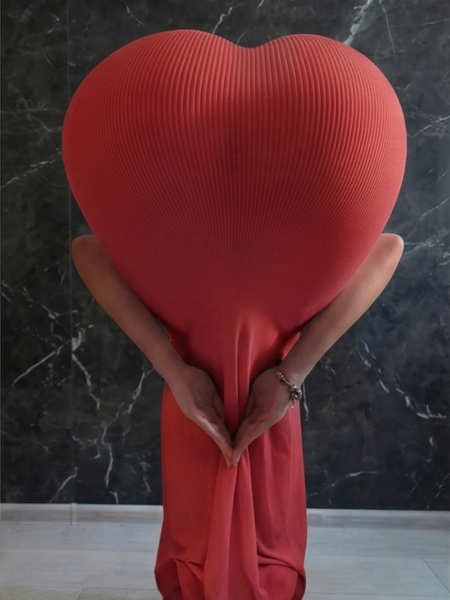
If you have been anywhere near social media in the past two weeks, you have probably seen it: people standing with their backs to the camera, bending forward, arms reaching behind their legs, fingertips touching to form the bottom point of a heart. The silhouette, when photographed from behind, creates an unmistakable heart shape using the entire body. Welcome to the heart butt challenge, the single fastest-spreading viral pose trend of 2026 and possibly of the entire decade so far.
This guide breaks down everything you need to know about the challenge. Where it came from, who started it, how to actually do it, why it spread so fast, and how a simple photo trend evolved into a scored global competition. Whether you are just hearing about it for the first time or you have already attempted it three times in your living room, this is the definitive explainer.
What Is the Heart Butt Challenge?
The heart butt challenge is a body pose trend where participants create a heart shape using their entire body silhouette. The person stands facing away from the camera, bends forward at the waist, arches their back, and reaches their arms behind and between their legs. The fingertips meet at a point below, forming the bottom tip of a heart. When viewed from behind, the curve of the back and hips forms the top arches of the heart, while the arms and joined hands complete the bottom point.
The result is a surprisingly clean heart shape that photographs beautifully from behind. Unlike hand hearts or finger hearts that have been popular in K-pop and selfie culture for years, this pose uses the full body as the canvas. The heart is not something you hold in front of you. It is something you become.
The pose requires a moderate amount of flexibility but no special equipment, no props, and no particular body type. That accessibility is a big part of why it spread so quickly. Anyone with a camera and a few square feet of space can attempt it. The results vary wildly depending on flexibility, body proportions, camera angle, and outfit choice, which gives every single attempt a unique character. No two heart butt challenge photos look exactly alike, and that is part of the appeal.
It is worth noting that the challenge is not inherently provocative, despite what the name might suggest. The focus is on the geometric shape created by the body, not on any particular body part. The best examples of the trend succeed because they produce a clean, symmetric heart silhouette. That is the goal, and that is what the community celebrates.
Where Did It Come From?
The heart butt challenge traces its origins to Japan, where it first appeared under the name Oshiri Heart, which translates roughly to "butt heart" or "hip heart." The trend is widely attributed to a Japanese cosplayer who goes by @kykyky618 online, known to followers as Kathy. Kathy posted one of the earliest versions of the pose that gained significant traction, and her cosplay community amplified it rapidly.
The timing of the trend's emergence was late March 2026, with the first wave of posts appearing in Japanese-language accounts on X (formerly Twitter) and TikTok. Kathy's version of the pose was playful and character-driven, fitting naturally into the cosplay scene where creative body poses and photography are already a staple of the culture. But the pose itself was simple enough that it did not stay confined to cosplay circles for long.
The trend's crossover moment came when @miss_preeti563, a creator known for her bold visual style, shared her own take on the pose. Pretti's version stripped away the cosplay context and presented the heart butt challenge as a standalone photo trend. Her post was visually striking, clean in composition, and immediately understandable even without any caption explaining the concept. It performed exceptionally well, pulling in hundreds of thousands of engagements and introducing the challenge to audiences who had never encountered the Japanese original.
From there, the trend followed the classic pattern of viral cross-pollination. Japanese creators continued to iterate on the concept while English-speaking creators on TikTok and X began putting their own spin on it. Within days, the challenge had jumped from Japan to the United States, Brazil, Turkey, Nigeria, South Africa, and beyond. Each region brought its own aesthetic sensibility to the pose, but the core concept remained the same: make a heart with your body, photograph it from behind, share it with the world.
How to Do the Heart Butt Challenge
Getting the pose right takes a few tries for most people. The concept is simple, but the execution benefits from some preparation. Here is a step-by-step breakdown of how to nail it.
- Set up your camera behind you. Place your phone on a tripod, lean it against something stable, or have a friend hold it. The camera should be at roughly hip height, positioned directly behind you at a distance of about four to six feet. Using a timer or remote shutter helps if you are shooting solo.
- Stand with your back to the camera. Start in a natural standing position, facing away. Keep your feet about shoulder-width apart. Wider stances create a broader heart shape while narrower stances produce a taller, more elongated heart.
- Bend forward at the waist. Lean forward and let your upper body fold down. The amount of bend depends on your flexibility. You do not need to touch the floor. The key is to arch your lower back slightly so that your hips push back and create the rounded top of the heart shape.
- Reach your arms behind your legs. Bring both arms behind you, threading them between or around the outside of your legs. The goal is to get your hands to meet at a single point below, which becomes the bottom tip of the heart.
- Touch your fingertips together. With your hands behind your legs, bring your fingertips together to form a clean point. This is the most important part of the pose. A crisp, defined point at the bottom makes the heart shape immediately recognizable in photos.
- Hold the pose and shoot. Once you have the shape, hold it steady and take several photos. Small adjustments to the arch of your back, the angle of your hips, or the height of your joined hands can make a significant difference in how clean the heart looks. Take multiple shots and compare them.
- Check the silhouette. Review your photos and look at the overall silhouette. The top of the heart should be formed by the curves of your hips and lower back. The bottom point should be formed by your joined hands. If the shape is not reading as a heart, try adjusting your stance width, the depth of your bend, or the position of your hands.
A few things that help: wearing form-fitting clothing makes the silhouette cleaner and easier to read. Good backlighting or a contrasting background helps the heart shape pop. And shooting in portrait orientation at a slight upward angle tends to produce the most flattering results.
Heartrated turns the challenge into a scored competition with AI + community voting. Upload your pose, get rated 0-100, and climb the global leaderboard. Try it free →
Why Did It Go So Viral?
The speed of the heart butt challenge's spread was genuinely unusual, even by the standards of internet virality. On X alone, the trend accumulated more than 33,000 posts in a single six-hour window during its peak. Combined view counts across all platforms crossed 10 million before the trend was even 48 hours old outside of Japan. That kind of velocity is rare and worth examining.
Several factors came together to create the perfect conditions for rapid spread. The first and most important is the pose's visual clarity. A heart is one of the most universally recognized symbols on the planet. When someone scrolls past a heart butt challenge photo, the shape registers instantly, even in a tiny thumbnail. There is no ambiguity about what you are looking at. That instant recognition makes the content inherently shareable because the viewer immediately understands the concept without needing any context or explanation.
The second factor is the absurdly low barrier to entry. You need a body and a camera. That is it. No special equipment, no expensive outfits, no particular skill set, no dance choreography to memorize, no transition edits to learn. You can attempt the heart butt challenge in your bedroom in under thirty seconds. This means that the gap between "I saw this" and "I tried this" is almost nonexistent, and that compression of the inspiration-to-participation cycle is what turns a cool post into a viral phenomenon.
The third factor is body positivity. Unlike many viral pose trends that implicitly favor a narrow range of body types, the heart butt challenge works with every body. Broader hips create wider hearts. Narrow frames create tall, elegant hearts. Athletic builds, curvy builds, tall and short, every variation produces a different but equally valid heart shape. This inclusivity meant that nobody felt excluded from the trend, which dramatically expanded the pool of potential participants.
The fourth factor is the creative ceiling. While the basic pose is simple, there is enormous room for creativity in how you present it. Outfit choice, location, lighting, camera angle, color grading, and post-processing all create opportunities for personal expression. Cosplayers dressed as characters. Photographers used dramatic lighting. Couples attempted it together. Artists created illustrated and animated versions. The simple pose became a canvas for individual creativity, which kept the trend fresh even after thousands of iterations.
Finally, there is the competitive element. People naturally wanted to know who could make the best heart shape. That competitive instinct drove repeat attempts, discussions about technique, and comparisons between different versions. The question "whose heart pose is the best" was implicit in every comment section, and it kept people engaged long after they had posted their own attempt.
The Different Names for the Same Trend
One of the interesting quirks of this trend is that it goes by many different names depending on where you encounter it and who is talking about it. This can create confusion, especially when searching for content or trying to figure out if two people are even talking about the same thing. Here is a quick reference guide to the most common names.
Oshiri Heart is the original Japanese name. Oshiri translates roughly to "butt" or "rear," so the literal translation is "butt heart." This is the name used in Japanese-language posts and within the cosplay community that originated the trend. If you search for the Japanese characters, you will find the earliest posts and the most prolific Japanese creators.
Heart Butt Challenge is the most widely used English-language name and the one that trended on X and TikTok globally. It is direct, descriptive, and immediately tells you what you are going to see when you click. Most English-language media coverage uses this name.
Hip Heart is a variation that some creators prefer because it emphasizes the role of the hips in creating the top curves of the heart shape. It is less common than heart butt challenge but appears regularly in hashtags and captions.
Body Heart is a broader term that captures the full-body nature of the pose without focusing on any particular body part. Some people prefer this name because it feels more inclusive and less likely to trigger content filters on social platforms.
Heart Pose Challenge is the most generic name and the one most likely to overlap with older trends like finger hearts or hand hearts. If you search for this term, you will get a mix of the current body heart trend and historical heart pose content. It is accurate but not specific enough to be a reliable search term.
Regardless of which name you use, the pose itself is the same. The community has not settled on a single definitive name, and at this point it probably never will. All five terms point to the same trend: stand with your back to the camera, bend forward, join your hands behind your legs, and create a heart silhouette.
Who Is Doing It?
The short answer is everyone. The heart butt challenge has drawn participation from an unusually broad cross-section of the internet, and that breadth is a big part of what makes it culturally significant rather than just another fleeting trend.
In Japan, where the trend originated, the cosplay community was the first to adopt it widely. Cosplayers brought their existing skills in posing, costume design, and photography to the challenge, producing some of the most polished and visually striking versions. Kathy's original posts set the standard, and dozens of other cosplayers followed with character-themed variations.
On TikTok and Instagram, mainstream content creators picked up the trend within days. Fitness influencers demonstrated the flexibility required. Fashion creators turned it into outfit showcases. Comedians put humorous spins on it. Couples attempted it as a pair. The variety of approaches kept the trend feeling fresh across different content niches.
Men joined the trend in significant numbers, which is notable because many viral pose trends skew heavily female in participation. The heart butt challenge's focus on body geometry rather than conventional attractiveness made it accessible and appealing regardless of gender. Some of the most-shared posts featured male creators who brought humor, athleticism, or sheer commitment to the pose.
Artists and illustrators created their own versions, translating the real-world pose into drawings, animations, and digital art. Fan art of fictional characters doing the heart butt challenge became its own sub-trend, particularly in anime and gaming communities. These illustrated versions extended the trend's reach to audiences who might not attempt the physical pose themselves but could engage with the concept through art.
Geographically, the trend has been documented in Japan, the United States, Brazil, Turkey, Nigeria, South Africa, the United Kingdom, South Korea, Mexico, Germany, and many other countries. Each region brought its own flavor. Nigerian creators often used vibrant traditional fabrics. Brazilian posts featured beach and carnival aesthetics. Turkish creators leaned into dramatic indoor photography. The global diversity of interpretations turned the heart butt challenge into a kind of accidental cultural exchange project.
From Photos to Competition
When millions of people attempt the same pose, a natural hierarchy emerges. Some attempts produce a near-perfect heart shape while others are charming but geometrically challenged. The heart butt challenge created an implicit competition from day one, but there was no formal way to measure, compare, or rank attempts. Social media likes are a crude metric that rewards follower count and timing more than actual pose quality.
Heartrated addresses this gap directly. The app takes the viral trend and adds a structured competitive layer. When you submit your heart pose photo, an AI system analyzes the image for heart shape clarity, symmetry, body form, and overall presentation. That AI analysis produces a score on a 0-to-100 scale, which accounts for 20 percent of your final rating.
The remaining 80 percent comes from community voting. Other users see your submission in a swipe-based discovery feed and vote on it. They can also send heart gifts that directly boost your community score, creating an economy around the competition. This dual-scoring system means that a high-quality pose needs both technical execution and community appeal to reach the top of the leaderboard.
The leaderboard itself is person-focused rather than photo-focused. Your best score represents you in the global rankings. Top scorers earn visibility, recognition, and bragging rights. The competitive element transforms the heart butt challenge from a one-and-done photo post into an ongoing pursuit of improvement, which is exactly the kind of engagement loop that gives a trend staying power beyond the initial viral spike.
Tips for a Higher Score
Whether you are posting for fun or genuinely competing for a top leaderboard spot, a few adjustments can dramatically improve the quality of your heart pose photo. These tips apply regardless of which platform you are posting on, though they are especially relevant if you are submitting to AI scoring.
Lighting matters more than you think. The heart shape relies on the viewer being able to clearly read your silhouette. Flat, even lighting from the front (which is behind you since you are facing away from the camera) works well. Backlighting can create dramatic silhouettes but risks losing detail. Avoid harsh overhead lighting that creates confusing shadows. Natural light near a window is the easiest setup that consistently produces good results.
Wear form-fitting clothing. Loose, baggy clothing obscures the body's silhouette and makes the heart shape harder to read. Fitted outfits in solid colors, especially colors that contrast with your background, produce the cleanest shapes. Dark clothing against a light background or light clothing against a dark background both work well. Patterned or textured clothing can work but adds visual noise that may reduce clarity.
Focus on the arch. The top of the heart shape is created by the arch of your lower back and the curve of your hips. A deeper arch produces more pronounced, rounded heart lobes. This is the most flexibility-dependent part of the pose, so warm up your lower back before attempting it. Even a few minutes of gentle stretching can improve your range of motion noticeably.
Get your hands clean and centered. The bottom point of the heart is the detail that makes or breaks the photo. Your fingertips should meet at a single, clean point that is centered relative to the rest of the heart shape. If your hands are off-center or if there is a gap between your fingertips, the heart will look incomplete. Take a moment to adjust your hand position before each shot.
Camera angle is critical. The ideal camera position is directly behind you at roughly hip height. Too high and you lose the heart proportions. Too low and the angle distorts the shape. A tripod at about two to three feet off the ground, positioned four to six feet behind you, is the sweet spot for most body types. Slight upward angles tend to be the most flattering, but avoid going too extreme.
Background simplicity helps. A clean, uncluttered background lets the heart shape be the star of the photo. A plain wall, an open field, a simple indoor space, anything that does not compete with the shape of your body works. Busy backgrounds with lots of lines, patterns, or objects can make the heart harder to see at a glance.
Take many shots. Even experienced models take dozens of shots to get one great photo. Small variations in your arch, hand position, stance width, and camera timing all produce different results. Shoot in burst mode if possible, then review and select the best frame. The difference between a good heart pose and a great one is often just a few millimeters of adjustment.
Frequently Asked Questions
Is the heart butt challenge safe?
Yes, for most people. The pose requires bending forward at the waist and reaching your arms behind your legs, which is a moderate flexibility demand similar to touching your toes. If you have back problems, hip injuries, or limited mobility, approach it gently and do not force the pose. Warm up before attempting it, and stop if you feel pain. There is no need to achieve a perfect shape on your first try.
Do I need to show my face?
No. The entire point of the pose is that you are facing away from the camera. Your face is not visible in the photo, which is actually one of the reasons the trend has been so widely adopted. The anonymity of the pose lowers the psychological barrier to participation. Many people who would never post a traditional selfie or face-forward photo are comfortable sharing a heart butt challenge attempt because their identity is not the focus.
Can men do the heart butt challenge?
Absolutely. The trend has had significant male participation since its earliest days. The heart shape is created by body geometry, not by any gender-specific physical feature. Male creators have produced some of the most creative and widely shared versions of the challenge. There is no reason to think of this as a female-only trend.
What is the difference between the heart butt challenge and the hand heart?
The hand heart, popularized in K-pop culture, involves forming a small heart shape with your fingers or hands in front of you. It is a gesture, typically performed facing the camera. The heart butt challenge is a full-body pose performed facing away from the camera, where the entire body silhouette creates the heart shape. They share the heart symbol but are completely different in execution, scale, and aesthetic.
How is my heart pose scored on Heartrated?
Your submission goes through two scoring layers. First, an AI system analyzes the photo for heart shape clarity, symmetry, body form, and presentation quality, producing a score from 0 to 100. This AI score accounts for 20 percent of your final rating. The remaining 80 percent comes from community engagement: other users swipe-vote on your photo and can send heart gifts that boost your score. Your final score combines both, and your highest-scoring submission places you on the global leaderboard.
Think You Can Score 90+?
AI scores your heart pose. Community votes decide the rest.
Download Heartrated Free