How to Do the Heart Body Pose Challenge: Step-by-Step Guide to Score 90+
In This Article
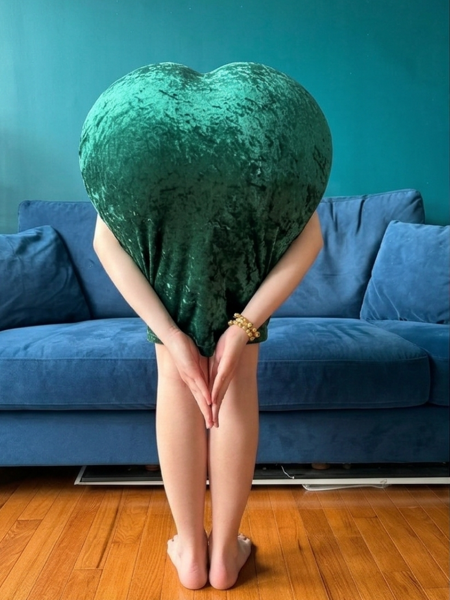
The heart body pose challenge looks simple in photos, but getting a clean, high-scoring heart shape takes more intention than most people expect. Whether you are trying the pose for the first time or chasing a 90+ score on HeartRated, this guide breaks down the exact technique, common mistakes, and pro tips from top-rated users.
Step 1: Stand With Your Back to the Camera
This is a rear-facing pose. Position yourself with your back fully toward the camera, standing about 6 to 8 feet away. The camera should be roughly at hip height for the best silhouette — propping your phone on a low shelf or having a friend shoot from a slight crouch works well. A straight-on angle from behind is the foundation of a clean heart shape.
Step 2: Arch Your Back to Create the Top Curves
The upper lobes of the heart come from the arch in your lower back and the natural curve of your hips. Lean slightly forward and arch your lower back — think of pushing your hips back while keeping your upper body upright. The goal is to create two smooth, rounded curves at the top of the heart shape. Do not overextend; a natural, comfortable arch produces the smoothest lines.
Step 3: Bring Your Hands Together at the Bottom
Your hands form the point of the heart. Reach down and bring your fingertips or palms together below your hips, creating a clear V-shape that completes the heart's bottom point. Keep your arms relaxed and let them follow the natural line of the pose. Stiff, locked arms tend to break the flow of the silhouette.
Heartrated turns the challenge into a scored competition with AI + community voting. Upload your pose, get rated 0-100, and climb the global leaderboard. Try it free →
Step 4: Adjust Your Leg Positioning
Leg stance has a bigger impact than most people realize. Feet shoulder-width apart is a solid starting point. Some top scorers find that a slight bend in one knee adds asymmetric flair without breaking the heart shape. Experiment with stance width — too narrow and the heart looks pinched, too wide and the curves flatten out.
Step 5: Nail the Lighting and Angle
Lighting can make or break your heart score. The AI evaluates shape clarity, so you want strong contrast between your silhouette and the background. Backlit setups work extremely well — standing in front of a window or a bright wall creates a crisp outline. Avoid overhead lighting that casts shadows downward and muddies the shape. Side lighting can add dramatic effect but may obscure one half of the heart.
What the AI Looks For
HeartRated's AI scoring evaluates four specific criteria when rating your heart body pose:
- Shape Clarity: How recognizable is the heart shape? Clean outlines and a complete silhouette score highest.
- Symmetry: Are both sides of the heart roughly equal? Perfect mirror symmetry is not required, but major imbalances will lower your score.
- Form: How well-executed is the pose itself? Smooth curves beat sharp angles. Natural positioning beats forced contortion.
- Presentation: The overall visual impact. Outfit choice, background, lighting, and composition all contribute here.
Pro Tips From Top Scorers
Users who consistently score above 85 on HeartRated share a few common strategies. First, they take multiple shots and submit the best one — even small adjustments between takes can significantly improve shape clarity. Second, they pay attention to what they wear. Fitted clothing that follows the body's contours produces cleaner heart shapes than loose or baggy outfits.
Third, they use the timer function. Rushing into the pose right after tapping the shutter often results in tense, unnatural positioning. A 3- or 10-second timer gives you time to settle into the pose and relax your muscles, which produces smoother curves.
Finally, top scorers study the leaderboard. Looking at high-scoring submissions helps you understand what the AI rewards. You will start noticing patterns — certain angles, lighting setups, and body positions that consistently produce better results.
Common Mistakes to Avoid
The most frequent mistake is arching too aggressively. An extreme arch can break the heart shape into something unrecognizable. The second most common issue is hand placement — hands that are too far apart or positioned at the wrong height will leave the heart's bottom point incomplete. Finally, shooting from too high an angle distorts the proportions and flattens the curves.
Join the Challenge
Put these tips to the test. Get your AI heart score and see where you rank globally.
Download HeartRated Free